 Türkçe
 Español
 العربية
 Русский
 Italiano
 中文
中文 Français



Travertine Models for Warm and Organic Touches in Interior Design
Travertine is one of the most distinctive natural stones used in architecture and interior design, known for its organic texture, warm tonal variations, and characteristic porous surface. Used in different types of buildings for centuries, this natural material continues to play an important role in contemporary residences, hotels, commercial spaces, and landscape projects.
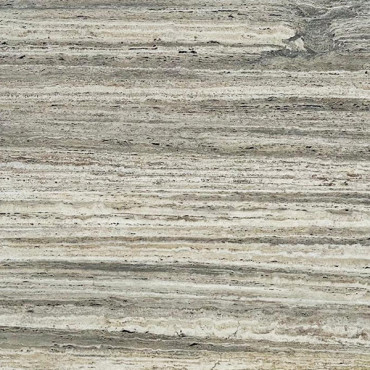
With a color palette ranging from beige, cream, and white to grey, silver, and deeper earth tones, travertine can complement both modern and classical design styles. Its natural surface movement and vein structure, which may vary from slab to slab, give each application a distinctive character that differs from mass-produced surface materials.
In contemporary architecture, where natural materials are increasingly emphasized, travertine works particularly well with wood, metal, glass, linen, and neutral color palettes, helping create warm and balanced interiors.
In the Savaş Mermer travertine collection, you can explore travertine models with different colors, vein structures, and surface characteristics and the natural stone best suited to your residential, hotel, restaurant, retail, office, or bespoke architectural project.
What Is Travertine?
Travertine is a natural sedimentary stone primarily composed of calcium carbonate minerals. It forms when mineral-rich waters reach the surface and calcium carbonate gradually precipitates over time.
This natural formation process gives travertine its characteristic pores, layers, tonal variations, and vein patterns. As a result, every travertine slab can have its own distinctive appearance.
The voids and pores visible on travertine surfaces are not manufacturing defects; they are part of the stone’s natural character. Depending on the intended application, these cavities may be filled or left unfilled.
The direction in which travertine blocks are cut also has a major influence on their appearance. Two principal cutting methods are commonly used:
Vein Cut:
The stone is cut parallel to its natural sedimentary layers. This creates a more linear, horizontal, and pronounced vein pattern. It can produce a strong visual effect, particularly in contemporary architectural projects.
Cross Cut:
The stone is cut perpendicular to its natural layers. This produces a more cloud-like, circular, and relatively uniform surface pattern. It can be preferred for creating balanced visual compositions on large floors and walls.
Where Is Travertine Used?
When the appropriate product and surface finish are ed, travertine stone can be used in both interior and exterior projects. Its applications range from floors and walls to bathrooms, facades, and custom-designed furniture.
Travertine Flooring
Travertine flooring is frequently preferred in projects that aim to create a warm and natural atmosphere.
Travertine varieties in beige, cream, and lighter tones can create a calm and cohesive appearance in spacious living areas, entrance halls, hotels, restaurants, and commercial interiors.
Using large-format travertine slabs can reduce the number of visible joints and allow the natural pattern of the stone to become more prominent.
For floor applications, the surface finish, level of traffic, and whether the stone will be used indoors or outdoors should all be considered.
Travertine Wall Cladding
Travertine can transform its natural texture into an important architectural element when used as wall cladding.
Travertine slabs can add natural depth to living rooms, hotel lobbies, reception areas, TV walls, fireplace surrounds, and decorative feature walls.
Projects seeking more textured and three-dimensional surfaces may benefit from different finishing techniques, while honed and more understated surfaces may be preferred in modern interiors.
Bathroom and Vanity Applications
The natural tones of travertine can help create a warm and relaxing atmosphere in bathrooms.
In addition to wall and floor coverings, travertine can be used for bathroom countertops, vanity surrounds, shower areas, and custom-designed basins.
Light-colored travertine works well in modern and spacious bathrooms, while darker and more expressive stones can be used to create focal surfaces.
In wet areas, proper installation, ion of a suitable surface finish, and appropriate surface protection are particularly important.
Pool Surrounds, Terraces, and Outdoor Areas
Travertine is also widely considered for outdoor spaces such as terraces, garden paths, patios, landscape areas, and pool surrounds.
In these applications, technical performance is just as important as appearance. Especially in wet areas, the surface finish and slip resistance of the ed stone should be evaluated according to the specific requirements of the project.
Tumbled, brushed, and other textured finishes can further emphasize the natural character of travertine in exterior applications.
Travertine Facade Cladding
Thanks to its natural appearance and ability to be processed in different dimensions, travertine can also be used for architectural facades.
Travertine facade cladding can help contemporary villas, hotels, commercial buildings, and other architectural projects establish a more natural relationship with their surroundings.
For facade applications, the technical properties of the ed travertine, thickness, fixing system, and local climatic conditions should be evaluated together.
Travertine Tables and Furniture
In recent years, travertine has become increasingly popular not only as an architectural cladding material but also in furniture and decorative object design.
Travertine can be used for:
- Dining tables
- Coffee tables
- Side tables
- Console tables
- TV units
- Custom-designed furniture
- Decorative objects
Its strong natural appearance creates balanced combinations when paired with wood, metal, brass, glass, and textile surfaces.
Travertine Models and Color Options
Travertine is not limited to traditional beige tones. Depending on its mineral composition and geological origin, it can display a wide range of colors and surface characteristics.
The Savaş Mermer travertine collection includes different natural stone options for a variety of architectural requirements.
Silver Travertine
Silver Travertine is a contemporary natural stone characterized by transitions between grey and silver tones.
It can be used particularly effectively in modern and minimalist projects. Its grey palette combines well with anthracite surfaces, natural wood, and metallic details.
It can be considered for wall and floor coverings, bathrooms, staircases, facades, and custom architectural surfaces.
Titanium Travertine
Titanium Travertine stands out with stronger and more dynamic tonal transitions.
Its pronounced vein structure can create a powerful architectural accent on large surfaces.
It is particularly suitable for feature walls, large-format applications, and projects in which natural stone is intended to become a central design element.
Medium Travertine
Medium Travertine reflects the classic character of travertine through a balanced combination of natural beige and earthy tones.
Its ability to coordinate with many different furniture and surface colors allows it to work in a wide range of environments, from residential interiors to commercial projects.
It can be used for flooring, walls, bathrooms, staircases, and various interior applications.
Red Travertine
Red Travertine offers a more distinctive surface appearance through warm red and earthy tones.
It can be used in projects where natural stone is intended to become a prominent design feature. Feature walls, decorative surfaces, and bespoke architectural applications are among the areas where it can create a strong visual effect.
White Travertine
White Travertine can complement bright and understated interiors thanks to its light color palette.
It can be used in contemporary bathrooms, large wall surfaces, flooring, and minimalist interiors. Combined with natural wood and neutral colors, it creates a warm yet refined atmosphere.
Beige Travertine
Beige Travertine is one of the strongest representatives of the classic and timeless color palette most commonly associated with travertine.
Its warm beige tones allow it to complement classical, contemporary, rustic, and Mediterranean-inspired interiors.
It can be used for interior and exterior cladding, bathrooms, flooring, walls, and numerous architectural applications.
Light Cream Travertine
Light Cream Travertine, with its soft cream and pale beige tones, can be considered for projects seeking brighter and calmer interiors.
When used across large surfaces, it maintains the natural texture of the stone without visually overwhelming the overall color palette.
Valencia Travertine
Valencia Travertine features distinctive tonal variations and natural vein movement that allow it to adapt to different design styles.
During slab ion, it is advisable to evaluate the vein structure and color distribution in relation to the overall composition of the project.
What Is a Travertine Slab?
A travertine slab is produced by cutting quarry blocks into large-format panels of specific thicknesses.
Large travertine slabs can be used for:
- Wall cladding
- Flooring
- Bathrooms and vanity areas
- Staircases
- Fireplace surrounds
- Furniture surfaces
- Facade applications
- Custom-sized architectural projects
When ing travertine slabs, it is important to consider not only the color but also the vein movement, slab dimensions, cutting direction, filled or unfilled condition, and ed surface finish.
For large-scale projects, viewing multiple slabs together before installation can help ensure more controlled planning of color and vein transitions.
What Is the Difference Between Filled and Unfilled Travertine?
One of the most recognizable natural characteristics of travertine is its porous surface.
Depending on the intended application, these cavities can either be filled or left naturally open.
Filled Travertine
In filled travertine, the natural cavities on the surface are closed using suitable filling materials.
This treatment can create a smoother surface that is easier to clean. It may be preferred for interior flooring, walls, and other suitable applications.
Unfilled Travertine
In unfilled travertine, the stone’s natural voids remain visible.
This emphasizes the raw and organic appearance of the material. It can be considered for decorative walls and suitable exterior applications where the natural texture is intended to remain prominent.
The decision between filled and unfilled travertine should be based not only on aesthetic preferences but also on the technical requirements of the application.
Travertine Surface Finishes
Different surface treatments can dramatically change the appearance and tactile character of the same travertine.
Honed Travertine
A honed finish creates a smooth but non-glossy, matte appearance.
Because it presents the stone’s natural color and texture in a more understated way, it is widely considered for contemporary interiors.
Polished Travertine
A polished finish creates a smoother, more reflective surface.
It can be preferred in interior applications where the color and vein pattern of the travertine are intended to appear more vivid.
Tumbled Travertine
A tumbled finish gives travertine a more rustic and aged character.
It softens the edges and surface details of the stone, producing a more weathered appearance. It can be particularly suitable for traditional, rustic, and Mediterranean-inspired projects.
Brushed Travertine
A brushed finish is used to make the natural texture of the stone more pronounced.
It can be considered in projects where a more tactile surface is desired.
Since not every finish is equally suitable for every application, the final choice should always be made according to the conditions and requirements of the project.
How Should Travertine Be Cleaned and Maintained?
Travertine is a calcium carbonate-based natural stone and is therefore sensitive to acidic substances. Proper cleaning and maintenance help preserve the appearance of the surface.
For everyday care:
- Use pH-neutral cleaning products suitable for natural stone.
- Use soft cloths or microfiber materials.
- Avoid acidic substances such as vinegar and lemon.
- Do not use abrasive cleaners or hard sponges.
- Clean spills from the surface as soon as possible.
Depending on the application area, surface finish, and absorption characteristics of the travertine, suitable protective treatments may also be considered.
For kitchens, bathrooms, and frequently used flooring in particular, the properties of the stone and the application conditions should be taken into account when determining the appropriate maintenance method.
What Determines Travertine Prices?
Travertine prices are not based on a single fixed standard. The final cost may vary according to the ed stone and the specific requirements of the project.
The main factors affecting travertine prices include:
- Travertine type and color
- Stone ion quality
- Slab or product dimensions
- Thickness
- Vein-cut or cross-cut preference
- Filled or unfilled surface
- Selected surface finish
- Required quantity
- Custom dimensions and cutting requirements
- Project-specific fabrication details
- Current stock availability
For this reason, evaluating travertine only according to a standard price per square meter may not provide an accurate result. A more reliable quotation can be prepared once the travertine model and project requirements have been defined.
How to Choose the Right Travertine for Your Project
Choosing the right travertine involves more than simply ing a preferred color or pattern.
Factors such as the application area, color tone, vein structure, cutting direction, slab dimensions, surface finish, filling preference, and overall design language of the project should be evaluated together.
Lighter and more understated travertines may work particularly well in minimalist interiors, while stones with more expressive vein patterns or deeper tones can be used where a stronger visual accent is desired.
For large-scale applications, viewing the slabs together and planning vein and color transitions before installation can significantly improve the final visual composition.
Explore the Savaş Mermer Travertine Collection
Travertine is a timeless natural stone that carries the visible traces of its geological formation and can be adapted to both interior and exterior architectural projects through its diverse color and surface options.
In the Savaş Mermer travertine collection, you can explore:
Silver Travertine, Titanium Travertine, Medium Travertine, Red Travertine, White Travertine, Beige Travertine, Light Cream Travertine, and Valencia Travertine
along with a variety of options offering different colors, vein structures, and visual characteristics.
To find the right travertine for your application area, project dimensions, design concept, and preferred surface character, you can explore the collection, review product details, and contact Savaş Mermer for further information.
Travertine is a versatile natural stone known for its distinctive texture, warm color palette, and variety of surface finishes. Indoors, it is commonly used for flooring, wall cladding, bathrooms, staircases, fireplace surrounds, countertops, and decorative surfaces. Outdoors, it is suitable for terraces, garden paths, landscaping projects, pool surrounds, and façade cladding. With the right surface finish, travertine can complement modern, classic, and rustic architectural styles.
The slip resistance of travertine depends on the surface finish, the application area, and whether the surface is dry or wet. In wet or outdoor areas such as pool surrounds, terraces, and gardens, brushed, tumbled, or textured finishes may be more suitable than highly polished surfaces. For this reason, travertine flooring should be selected not only for its appearance but also according to the conditions of use and the required level of slip resistance.
The Savaş Mermer travertine collection includes a wide range of options with different colors, tones, and natural characteristics. Some of the main varieties include Silver Travertine, Titanium Travertine, Medium Travertine, Red Travertine, White Travertine, Beige Travertine, Light Cream Travertine, and Valencia Travertine. From light and subtle tones to stones with more distinctive color variations, there are suitable alternatives for a wide variety of architectural concepts.
The pores are a natural part of travertine’s structure and one of the features that give the stone its characteristic appearance. Depending on the project and the desired visual effect, these voids can either be left open or filled with suitable materials. In bathrooms, kitchens, and frequently used interior areas, filled travertine can provide a smoother surface and make everyday cleaning easier. For outdoor applications and rustic designs, leaving the natural pores visible can help preserve the authentic character of the stone.
For daily cleaning, travertine should be maintained with a soft cloth or microfiber mop, warm water, and a pH-neutral cleaner specifically formulated for natural stone. Vinegar, lemon, and products containing strong acids should be avoided, as they can cause etching, dullness, or surface damage. Before using stronger cleaning products, it is important to confirm that they are suitable for natural stone. Regular and appropriate maintenance helps preserve the natural appearance of travertine over the long term.
Yes. Travertine can be used for exterior façade applications when the appropriate stone type, thickness, surface finish, and installation system are selected. Its natural color variations and distinctive texture can create a warm and sophisticated appearance on villas, hotels, residential buildings, and commercial projects. For exterior façades, climatic conditions, the technical properties of the stone, the anchoring or installation system, and construction details should all be evaluated alongside the desired aesthetic result.
These terms refer to different surface treatments that affect both the appearance and texture of travertine. Polished travertine has a smoother, more reflective surface that enhances the stone’s natural colors. Honed travertine has a smooth but more matte and understated finish. Brushed travertine provides a more pronounced surface texture, while tumbled travertine is processed to create softer edges and a more aged, natural, and rustic appearance. The most suitable finish should be selected according to the application area and the design language of the project.
Travertine prices vary depending on the type of stone, color and selection, slab or tile dimensions, thickness, and surface finish. Whether the stone is filled or unfilled, as well as processes such as honing, brushing, tumbling, or custom cutting, can also affect the overall cost. Project volume and specific application requirements are taken into account as well. For this reason, the most accurate and up-to-date travertine price per square meter can be determined by evaluating the selected stone together with the project dimensions and technical requirements.